
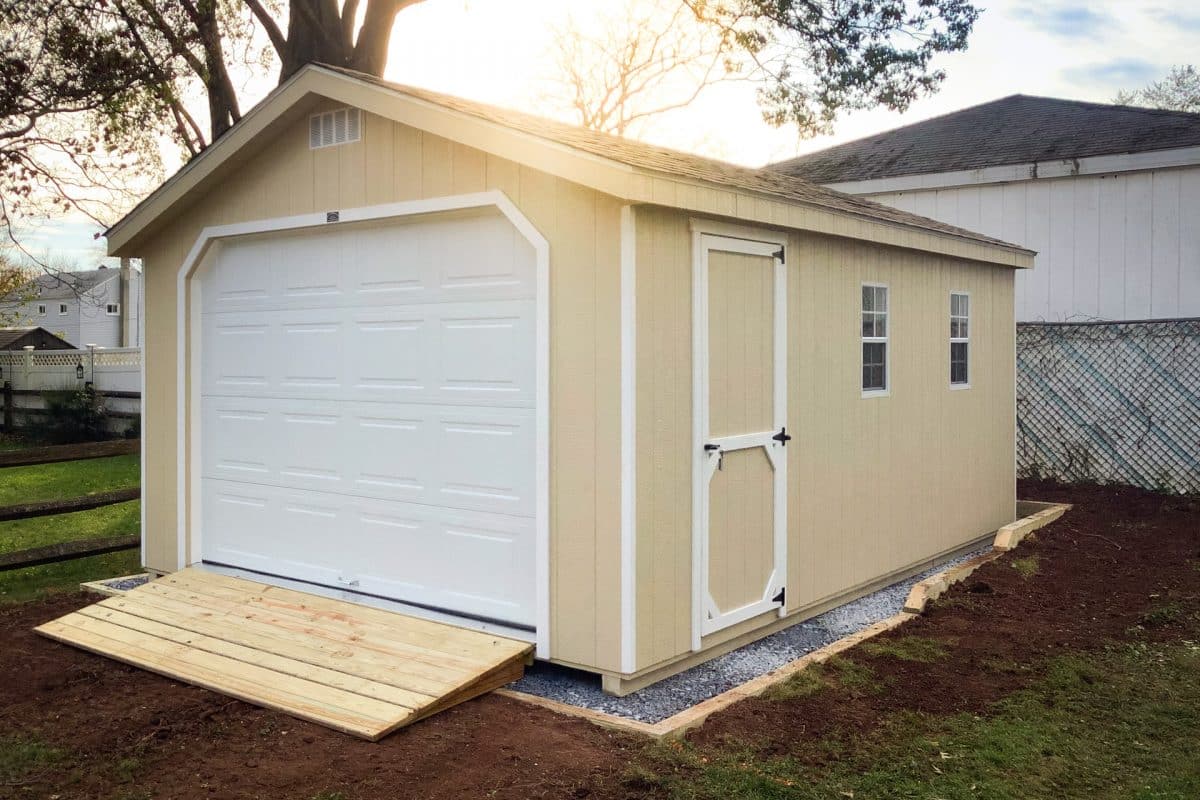
When planning to install a new shed, one of the first questions that comes up is whether or not you really need a foundation. Some homeowners assume they can simply place the shed on the ground, while others insist that a solid base is non-negotiable. The truth lies somewhere in between—it depends on your shed’s size, purpose, and your long-term expectations.
As someone who has spent years working with both DIY enthusiasts and contractors, I’ve seen the consequences of skipping a foundation, as well as the unnecessary expenses of overbuilding when it wasn’t required. Let’s break down the pros and cons so you can make an informed decision.
What a Shed Foundation Really Does
A foundation is more than just a flat surface under your shed—it plays a critical role in durability and usability. The main functions include:
Stability: Preventing the shed from shifting or sinking unevenly into the ground.
Moisture Control: Keeping the structure elevated so it doesn’t rot or mold from ground contact.
Leveling: Providing a flat, stable base so doors and windows operate properly.
Longevity: Extending the life of the shed by protecting the flooring and structural components.
Without a foundation, you risk early deterioration, sticking doors, and even structural collapse if the ground underneath shifts.
When You Might Not Need a Foundation
Not every shed requires a heavy-duty foundation. In certain cases, you might be able to get away with placing it directly on the ground or using a simple gravel pad.
Small Storage Sheds (Under 6x8 feet): Lightweight sheds used for garden tools or bikes can sometimes sit directly on compacted soil or grass.
Temporary Sheds: If you’re installing a small plastic or resin shed for seasonal use, you may not need a permanent base.
Flat, Well-Drained Ground: In regions with firm, dry soil and minimal frost, some sheds perform fine without elaborate foundations.
The key is understanding your climate and soil. For example, sandy or clay-heavy soil can shift easily, making even small sheds unstable without some kind of support.
When a Foundation Becomes Essential
For most medium to large sheds, a foundation isn’t optional—it’s a necessity. Here are situations where you should always plan for one:
Large or Heavy Sheds (10x12 feet and larger): These structures are too heavy to sit directly on soil without shifting or sinking.
Storing Heavy Equipment: If you’ll be storing a riding mower, snow blower, or large tools, the weight requires a solid base.
Unstable or Sloped Ground: Without a foundation, your shed will lean and doors won’t function properly.
High-Moisture Areas: In damp or flood-prone regions, a foundation is the only way to prevent wood rot and mold.
Year-Round Use: If your shed doubles as a workshop, office, or hobby space, a foundation is non-negotiable for comfort and durability.
Pros of Having a Shed Foundation
Extended Lifespan – Protects against water damage, rot, and ground moisture.
Better Functionality – Doors, windows, and flooring remain level and stable.
Increased Value – A shed with a foundation is more attractive to future buyers.
Peace of Mind – You won’t have to worry about your shed tilting, sinking, or becoming unstable.
Cons of Installing a Shed Foundation
Added Cost – Gravel pads, concrete slabs, or wood frames all add to your budget.
Time and Labor – Installation can be a project in itself, especially for larger foundations.
Permanent Commitment – Once the foundation is in, moving the shed isn’t as simple.
Overbuilding Risk – Some homeowners spend more on a foundation than the shed itself, which isn’t always necessary.
Types of Shed Foundations
Depending on your needs, you have a few main options:
Gravel Pad: Affordable, excellent drainage, and suitable for most medium sheds.
Concrete Slab: The most durable option, ideal for heavy sheds or workshops.
Wood Frame (Pressure-Treated Skids): A good middle ground for small to medium sheds.
Choosing the right type depends on shed size, climate, and budget.
Finding Balanced Advice
Many homeowners struggle because online guides often push one extreme or the other: “always build a foundation” or “skip it to save money.” The truth is more nuanced. If you’re unsure, check out https://www.siteprep.com/articles/do-you-need-a-foundation-for-a-shed/ — it provides a well-rounded breakdown of situations where a foundation makes sense and where you might not need one.
Here’s the bottom line:
If your shed is small, lightweight, and temporary, you may not need a full foundation.
If it’s large, heavy, or meant to last, investing in a foundation will save you headaches and repairs later.
Ask yourself: How long do I want this shed to last? What will I store inside it? What’s my soil and climate like?
Answering those questions will guide you toward the right choice. In most cases, the extra investment in a foundation is worth the security and longevity it provides.